
A common connection and prosthetic platform
An internal tetralobe connection with a 3.5 mm prosthetic emergence, identical on every CORE® diameter. The attachments are unified: the same healing abutment, scan body, square abutment or MULTI-IM® fits an Ø3.3 and an Ø4.75 implant.
- Narrow platform favours stability of the peri-implant tissues and restores limited interdental spaces.
- Fewer components in the clinic and in the lab; one surgical box, fewer drills.
- Restorations can be completed conventionally or fully digitally (scan bodies, digital analogs, Ti-base interfaces).
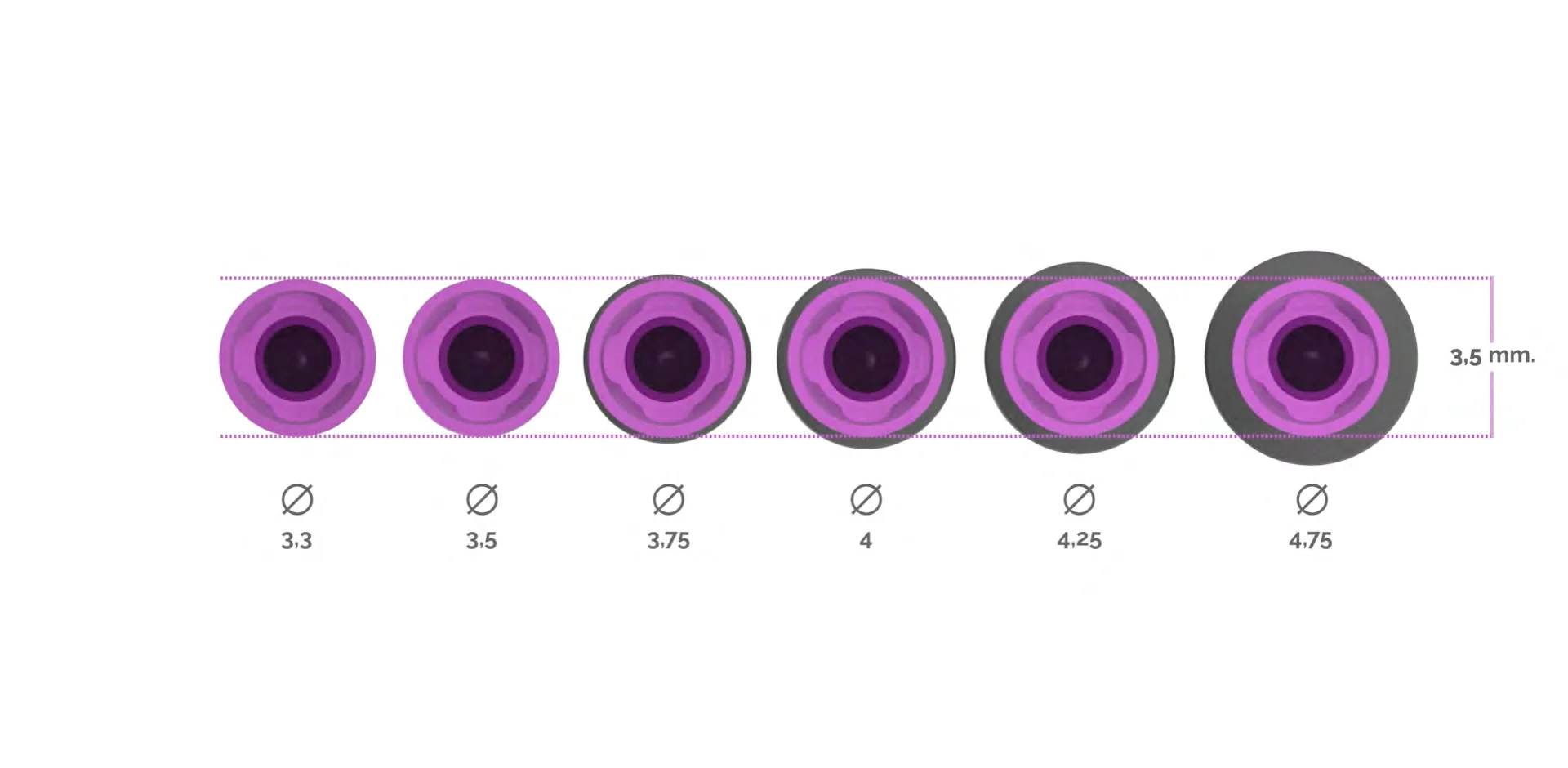
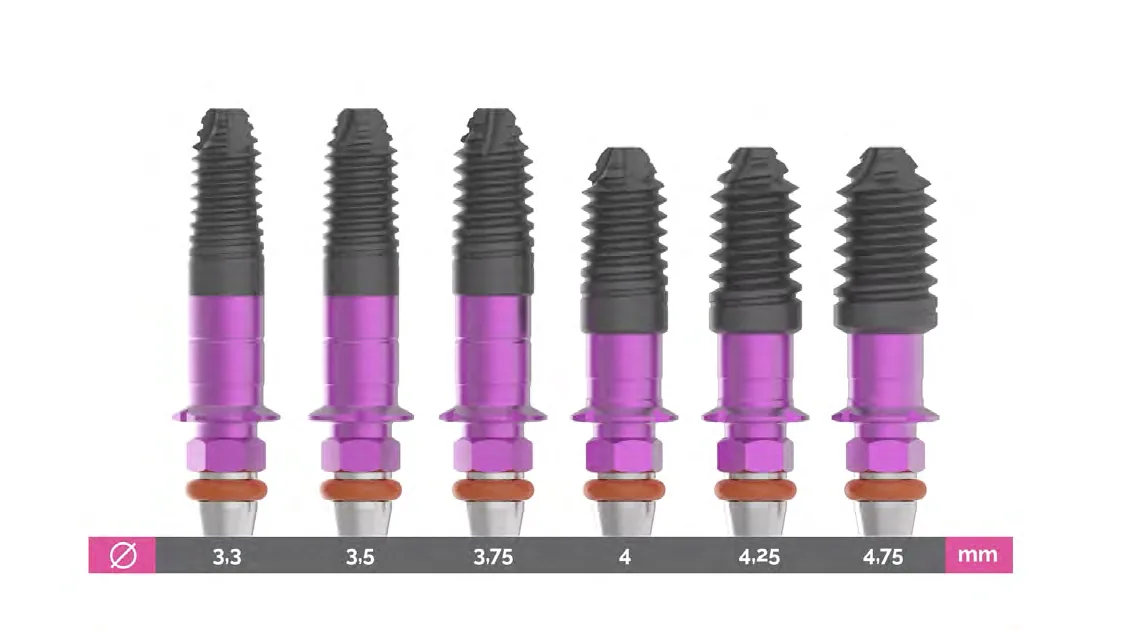
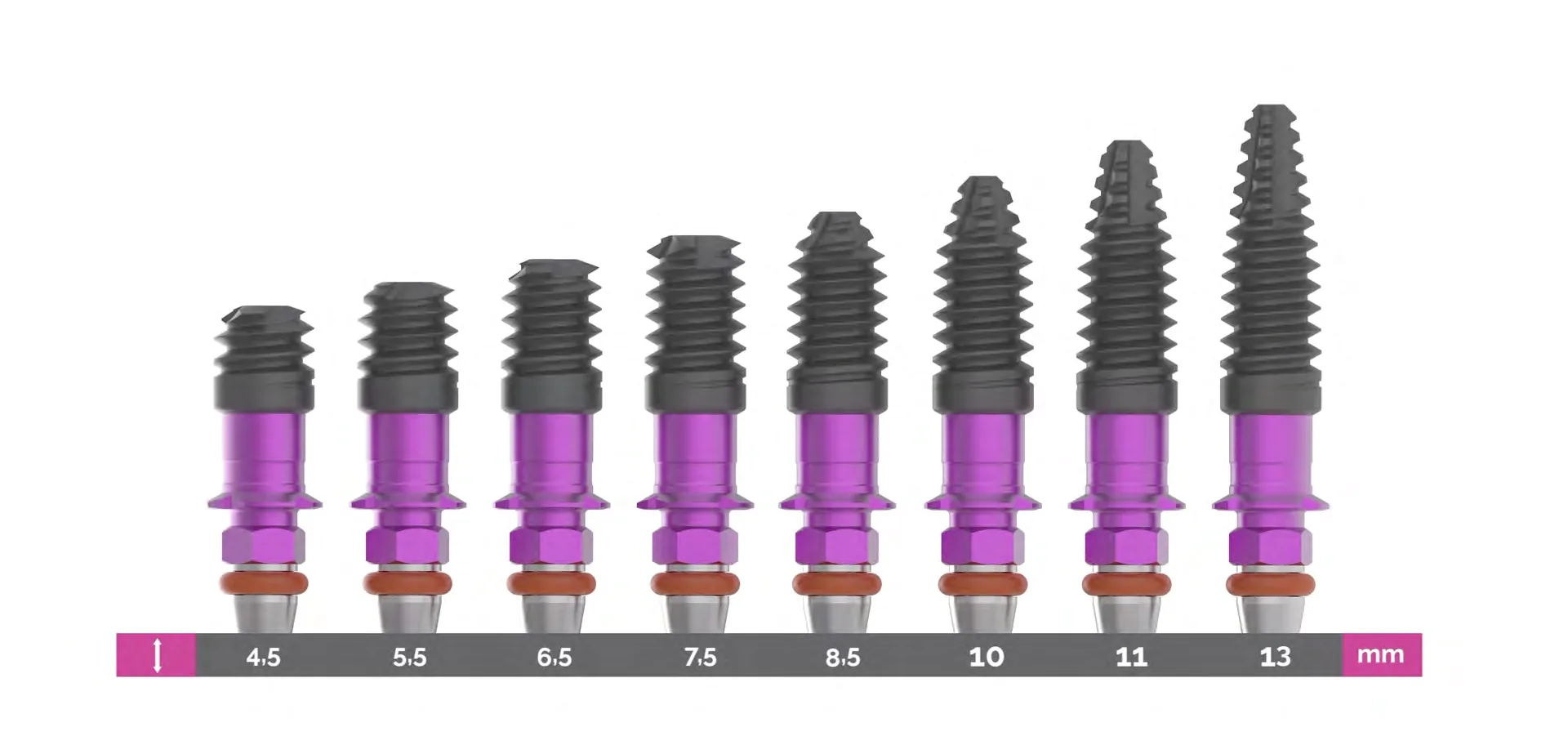
Six diameters. Lengths from 4.5 to 15 mm.
Integra stocks the diameters Egyptian practices use most, in lengths from 5.5 to 15 mm. Other sizes are ordered from BTI on request.
| Diameter | Typical use | Integra stock |
|---|---|---|
| Ø 3.3 mm | Narrow ridges, lower incisors | In stock |
| Ø 3.5 mm | Premolars, upper laterals | In stock |
| Ø 3.75 mm | Universal | In stock |
| Ø 4.0 mm | On request | On request |
| Ø 4.25 mm | Molars | In stock |
| Ø 4.75 mm | Wide molar sites, sockets | In stock |
Great advance capacity for post-extraction sockets and soft bone; the apex design changes with length to keep the drilling sequence short.
Resolve atrophic ridges without grafting. 4.5 mm implants are restored only with screw-retained multiple prostheses on MULTI-IM® trans-epithelials, never single or direct to implant.
UnicCa®: calcium ions that start healing on contact
Triple roughness, chemically modified with calcium ions, certified for purity. The reason a BTI implant integrates faster and keeps its neck cleaner.
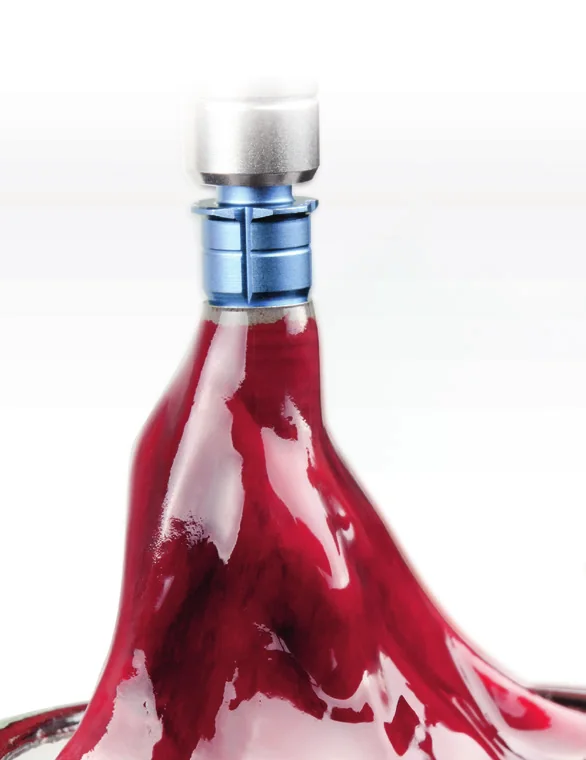
UnicCa® is the surface of BTI implants: a chemical modification with calcium ions over a triple-roughness topography. It is not a calcium-titanate nor a calcium-phosphate / hydroxyapatite coating.
BTI UnicCa® is the first implant system on the market awarded the CleanImplant Foundation Trusted Quality Mark (2017 – 2026), an independent guarantee of the purity of its materials and surface.
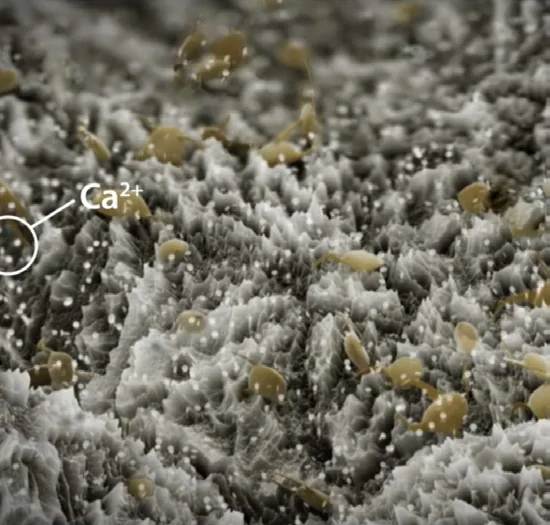
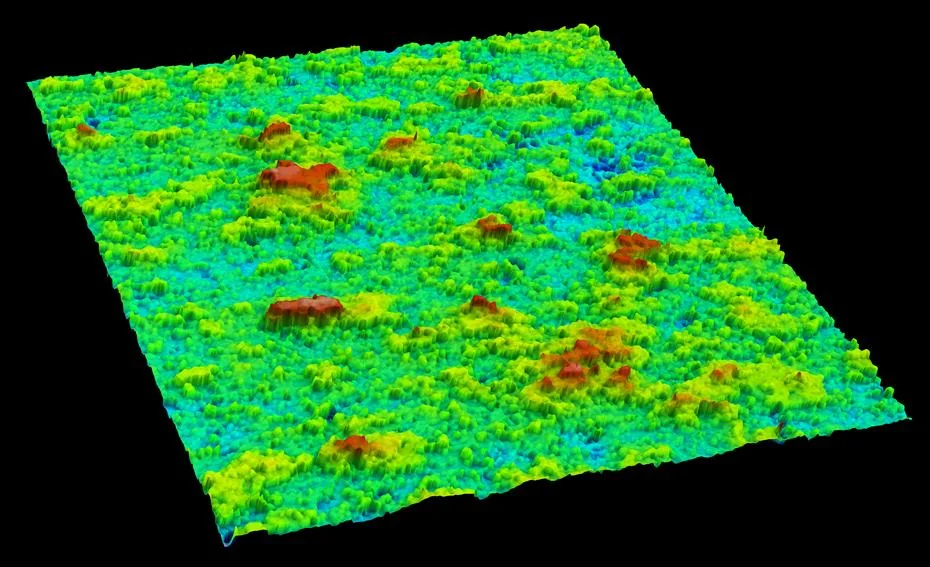
The topography changes along the implant so each area suits the tissue and the biomechanical need it meets.
Enhances marginal tissue retention and reduces bacterial colonisation where the implant meets the soft tissue.
Allows bone anchorage outside the threads for primary and secondary stability.
Guides bone growth between the threads while maintaining the implant's mechanical properties.
The calcium-ion layer makes the surface super-hydrophilic and electropositive, so blood proteins and platelets bind the moment the implant is placed and the regenerative process starts immediately.
Ionised calcium is a necessary co-factor in the coagulation cascade and helps platelet adhesion and activation. Its release from the UnicCa® surface happens as soon as the implant is fitted, which is why a stable clot forms on the surface itself.
The attenuated roughness of the neck, together with Endoret® PRGF, significantly reduces bacterial colonisation in vitro.
Bone-forming cells synthesise significantly more extracellular matrix on UnicCa® (in-vivo and in-vitro studies).
Higher bone-to-implant contact in rabbit femoral condyle and sheep tibia models, further increased when combined with PRGF-Endoret®.
Source: BTI CAT112 UnicCa® Surface (12/2024) and BTI's UnicCa® scientific presentation. In-vitro and animal-model findings are reported as such; see the publications page for the studies.
Seal the connection, protect the bone
With BioBlock®, the prosthesis is joined to the implant through an intermediate trans-epithelial that is screwed once and stays. The surface of each component is adapted to the tissue it meets.
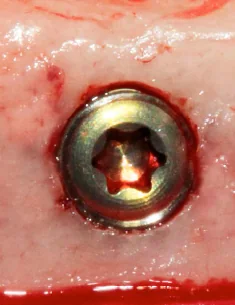
The bond between tissue and trans-epithelial forms at insertion. The prosthesis can be removed later without disturbing it, because the prosthetic platform sits at gingival level.
High-precision machining of the trans-epithelial connection prevents bacterial invasion at implant-platform level.
Two screws share the load: 35 Ncm to the implant, 20 Ncm from the prosthesis to the trans-epithelial.
Screw-retained prostheses stay reversible; heights can be changed if the gingival morphology changes.
Three routes to restore a CORE® implant
Every route uses the same narrow-platform connection. The reference suffix on MULTI-IM® components tells you the fit: …UA for angled abutments, …A for expansion (wide) abutments.
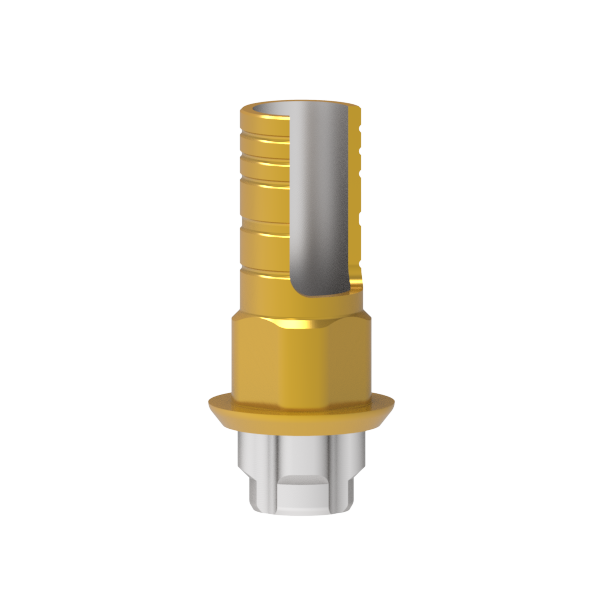
Square abutment (Ti-base), bioabutment or provisional cylinder screwed directly to the CORE® narrow platform.
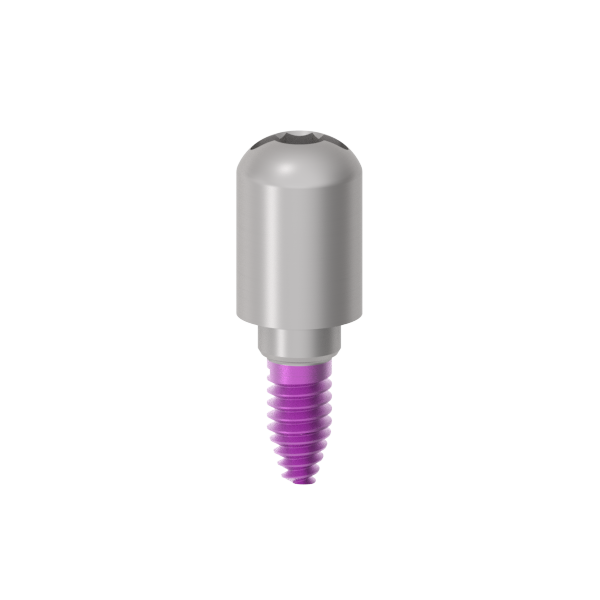
A straight, expanded or angled UNIT® stays in place; the crown is screwed to it, never to the implant. Available on request.
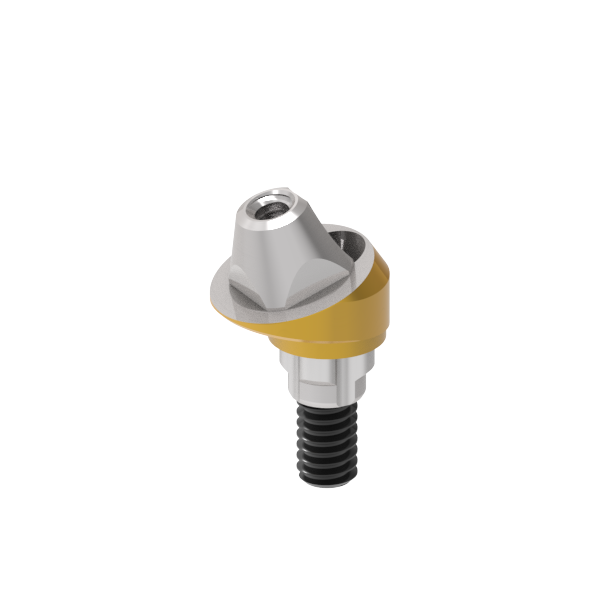
Angled (17°/30°) or expansion MULTI-IM® abutments with the BioBlock® seal. Mandatory route for 4.5 mm-length implants.
One box for the whole line
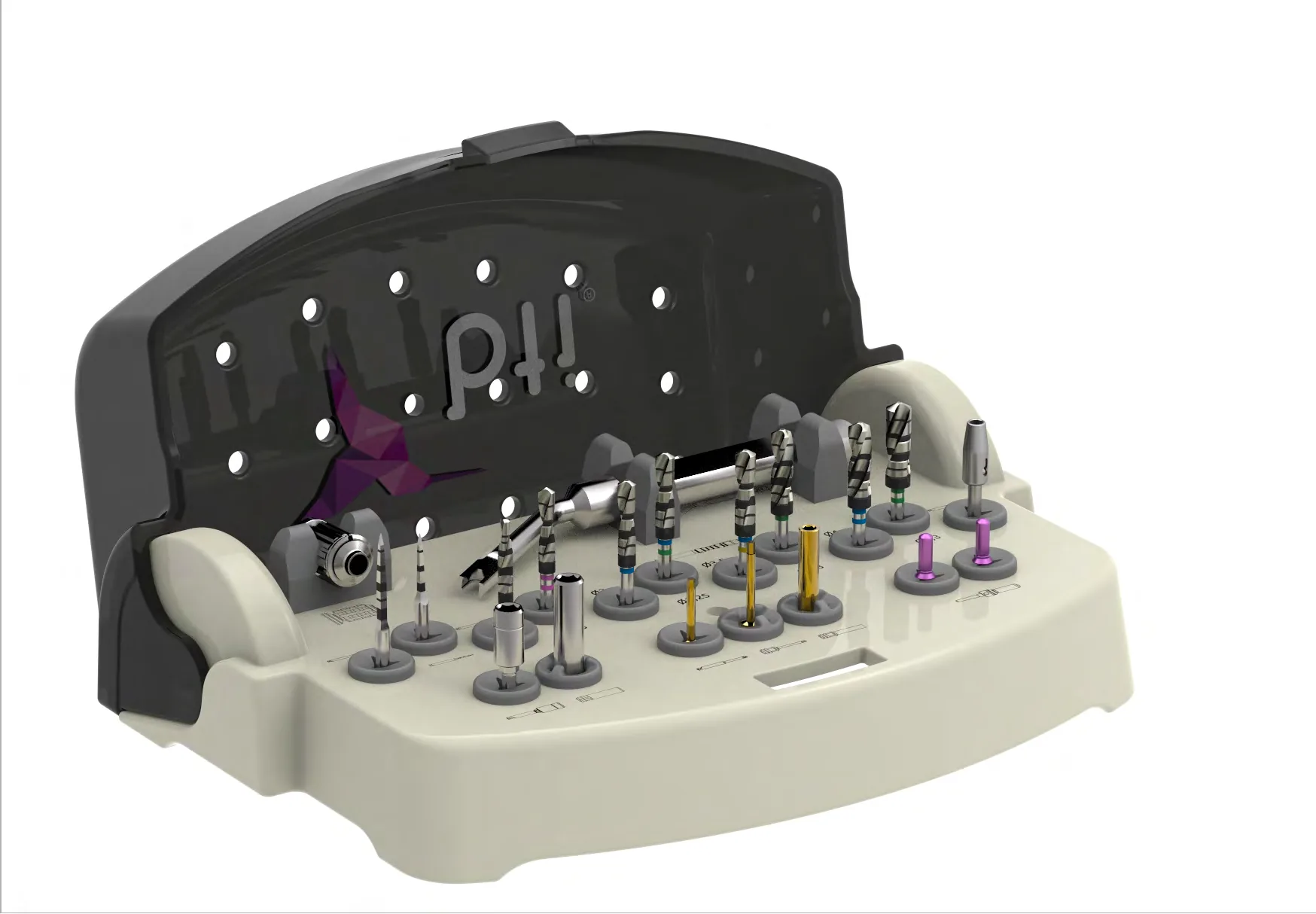
The BTI CORE® INTERNA narrow-platform surgical box holds the reduced drilling sequence, extenders, connectors and torque tips for every diameter and length. Integra sells the box and lends it for your first cases with a representative present.